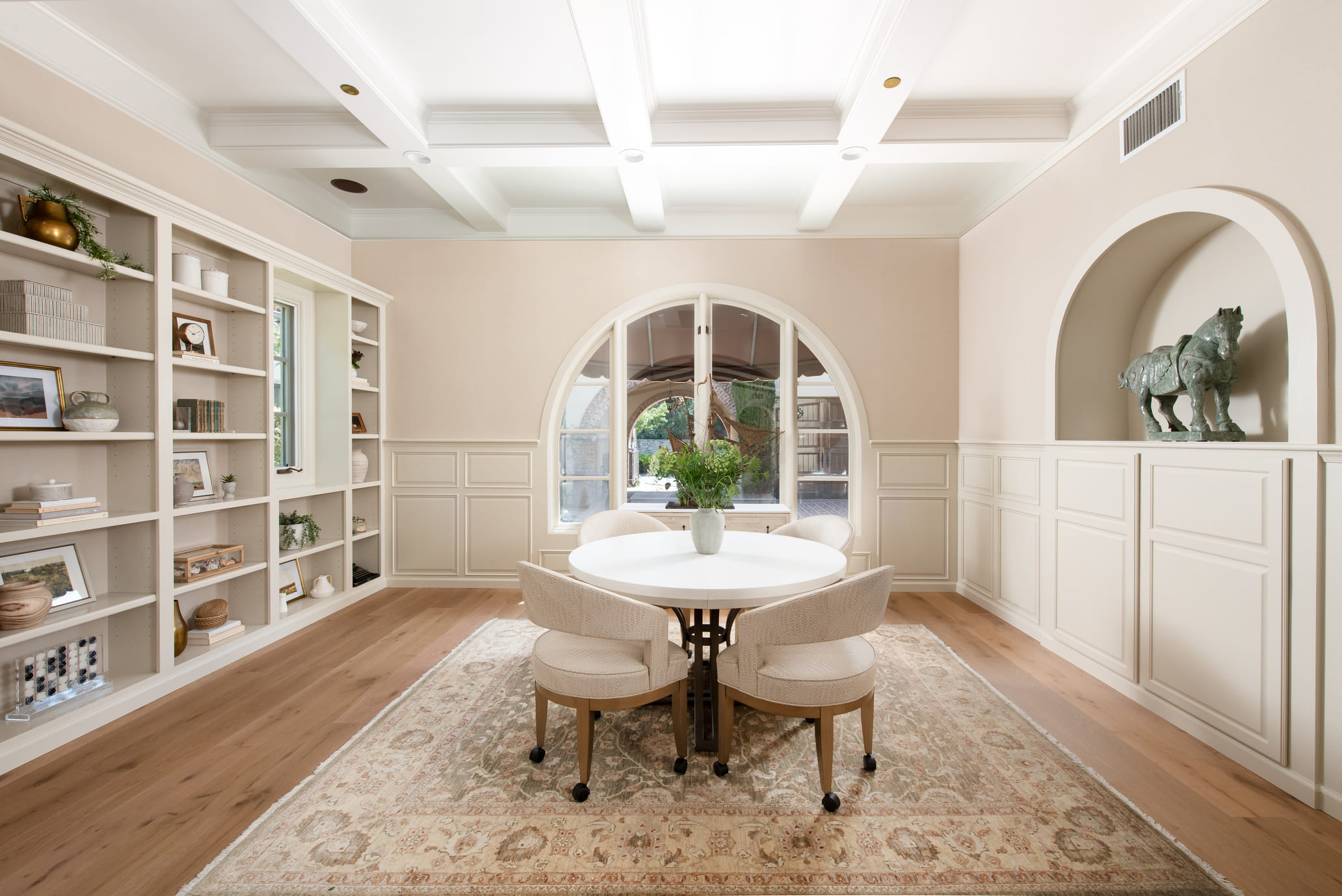
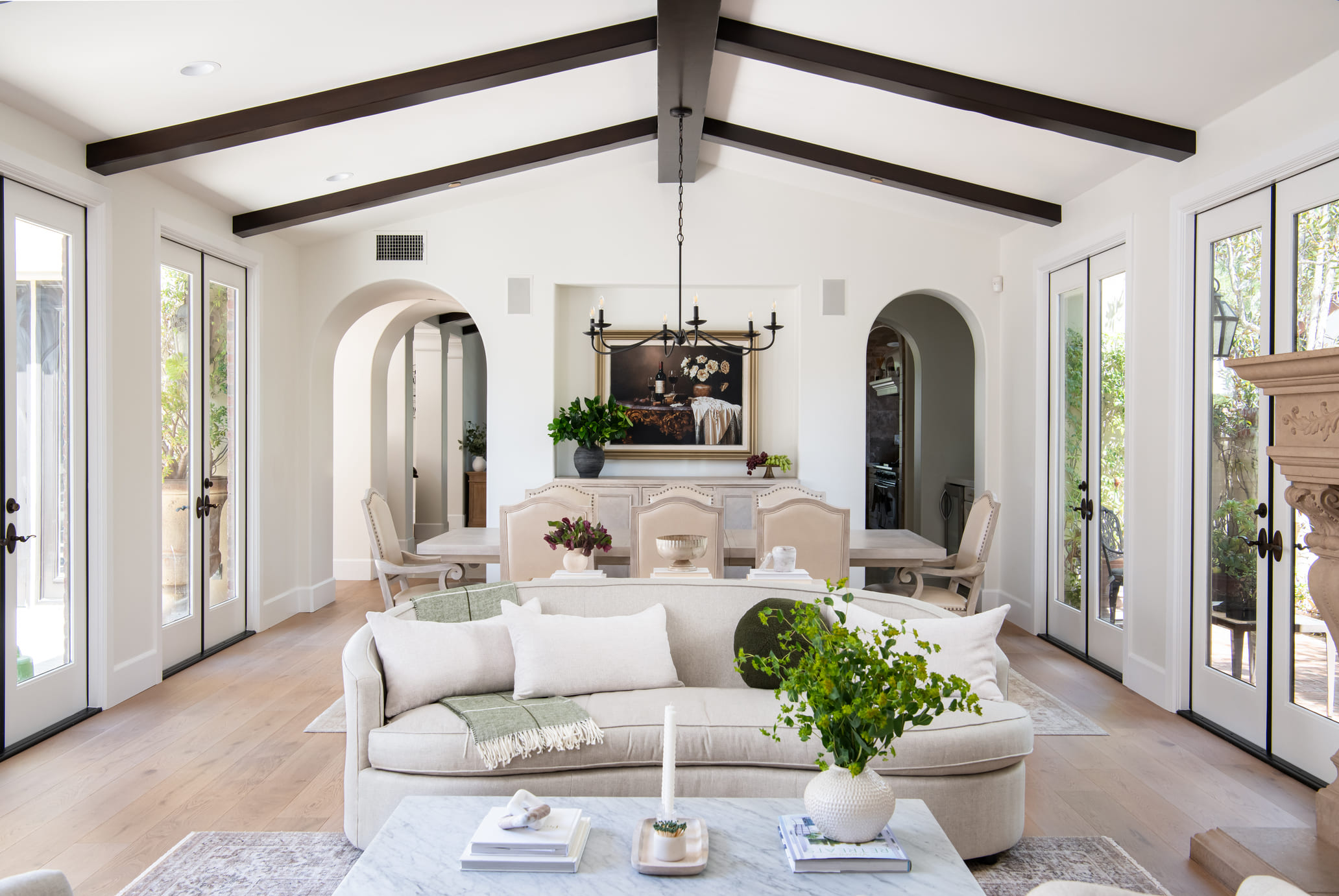
There’s a certain kind of room that stops you mid-scroll. Not because of the staging or the perfect light, but because something about it feels genuinely, unmistakably lived in and still beautiful.
That quality isn’t accidental. It’s the result of decisions made long before the furniture arrived: choices about proportion, material, light, and flow that come together so naturally, the room seems to have always existed that way. Understanding what creates that feeling — and how to bring it into your own home is worth knowing.
What Bespoke Design Actually Means
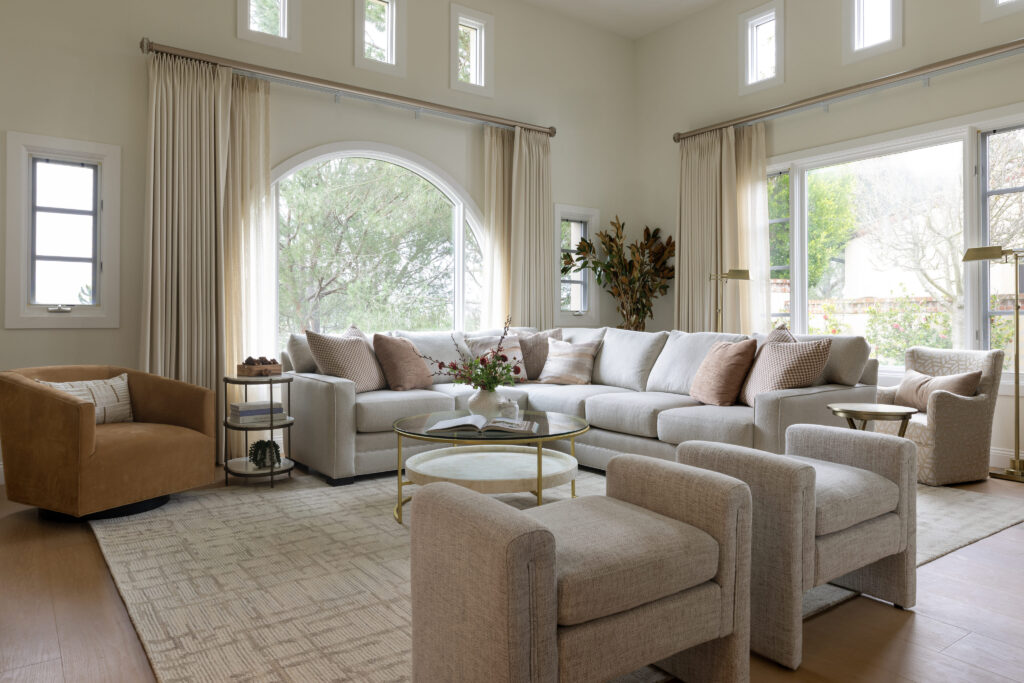
Bespoke is one of those words that gets used often and explained rarely. In practice, it means something far more personal and, ultimately, more useful. A bespoke space is one fitted to the specific rhythms of your life, shaped by how you actually move through a home rather than how a showroom imagines you might.
It Starts With Listening
The best design begins before a single sample is pulled or a floor plan is sketched. It starts with understanding how you actually move through your home—where you gather in the mornings, how you prefer to cook and entertain, what you need to feel settled and restored at the end of the day. At Jenna Grace Interiors, every project opens with this kind of deep discovery. We ask questions that go beyond aesthetic preferences: Do you work from home? Do you host often or prefer intimate dinners? Where does life tend to accumulate and how can we design around that reality instead of against it? These conversations shape everything that follows, ensuring that the spaces we create aren’t just beautiful in theory but functional and intuitive in daily practice. Bespoke design means the home adapts to you, anticipating your needs with such precision that living in it feels effortless.
Refined for Living, Shaped Around You
There’s a common assumption that bespoke means forma, that a custom home is one you admire from a distance rather than settle into at the end of a long day. The goal is something far warmer than that. Elevated, yes, with careful attention to proportion, material, and finish, but always in service of how a space actually gets used. A well-designed room should support you, welcome you, and hold up gracefully through real life. Effortlessly livable is the standard, and bespoke design is simply the most direct path to getting there.
The Details That Make It Distinctly Yours
Custom design lives in the specifics: the hardware chosen for its weight, the fabric selected because it photographs beautifully and wears even better, the light fixture that anchors a room without demanding attention. These aren’t arbitrary choices, but rather the accumulation of decisions made with a particular home and a particular person in mind. Bespoke work is layered, deliberate, and cohesive. When it comes together, it reads as effortless, because nothing in the space is working against anything else.
Why It Holds Its Value Over Time
A home designed around your life tends to age well, both aesthetically and practically. Because the choices were grounded in quality, proportion, and personal relevance rather than trend, the space remains compelling long after the moment it was completed. Bespoke design resists the pull of the throwaway and the fast-moving, in favor of something that continues to feel right as years pass and life shifts. That kind of longevity is one of the clearest measures of design done well.
Form, Function, and Fashion: The 3 Forces Behind Every Great Room
Every room that works is the product of three distinct forces working in concert. Form, function, and fashion each play a role, and when one is out of balance, the whole space feels it. Understanding how they relate to each other is one of the most useful things a homeowner can take into a design project.
1. Form
Form is what a room is before anything goes into it. The ceiling height, the placement of windows, the way the light moves across the floor at different hours of the day—these are the architectural facts that establish the character of a space long before a single piece of furniture arrives. When the proportions are right, a room has a quality that’s genuinely difficult to articulate but immediately felt: a sense of ease and rightness, of things being exactly where they should be. When form is off, that feeling disappears, and no amount of beautiful furnishing fully recovers it. Proportion and scale are foundational, which is why design decisions made early in a project carry so much weight. Getting the bones right is the work that makes everything else possible.
2. Function
Function goes well beyond the practical basics of traffic flow and storage, though those matter too. At its core, function asks a more personal question: does this space actually support the life being lived inside it? The kitchen that works beautifully for one family may not suit another. The primary suite that helps one couple fully unwind might feel entirely wrong for the next. Real functional design is lifestyle-based by nature. A room that functions well for the people in it has a kind of ease that’s hard to manufacture after the fact.
3. Fashion
Trends deserve more credit than they typically receive in design circles, and more skepticism than homeowners tend to give them. The current moment in design—warm neutrals, organic materials, artisan-made details with visible craft and texture—offers genuinely beautiful vocabulary to work with. These elements can live alongside timeless pieces with remarkable grace, adding a sense of aliveness and contemporaneity without compromising longevity. The distinction worth making is between following a trend because it resonates and following one because it’s everywhere. Chosen with intention and placed with care, a fashionable element enriches a room. Chosen with urgency, it dates it.
A designer’s job is to know the difference, and to help clients make choices they’ll still love a decade from now.
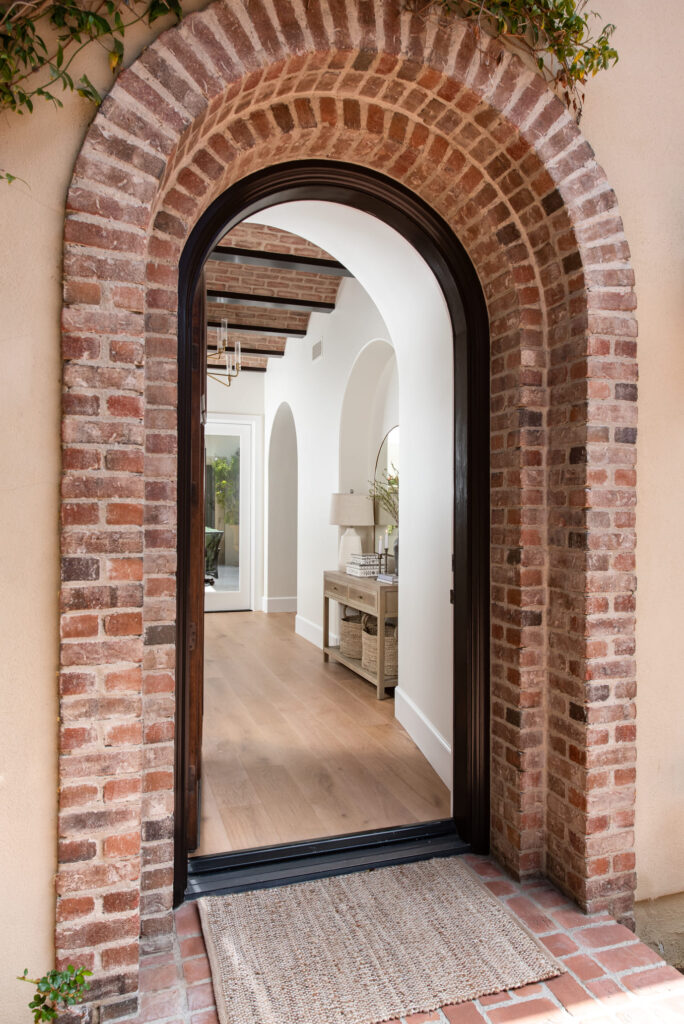
Timeless and Trendy—How They Actually Coexist
The conversation around trends in interior design tends to land in one of two places: avoid them entirely, or lean in fully. Neither approach serves a home particularly well. The more useful question is how to hold both—to stay current without surrendering longevity, and to invest in lasting quality without the space feeling static or untouched by the moment. That balance is achievable, and it begins with understanding what each category actually means.
What Makes Something Timeless
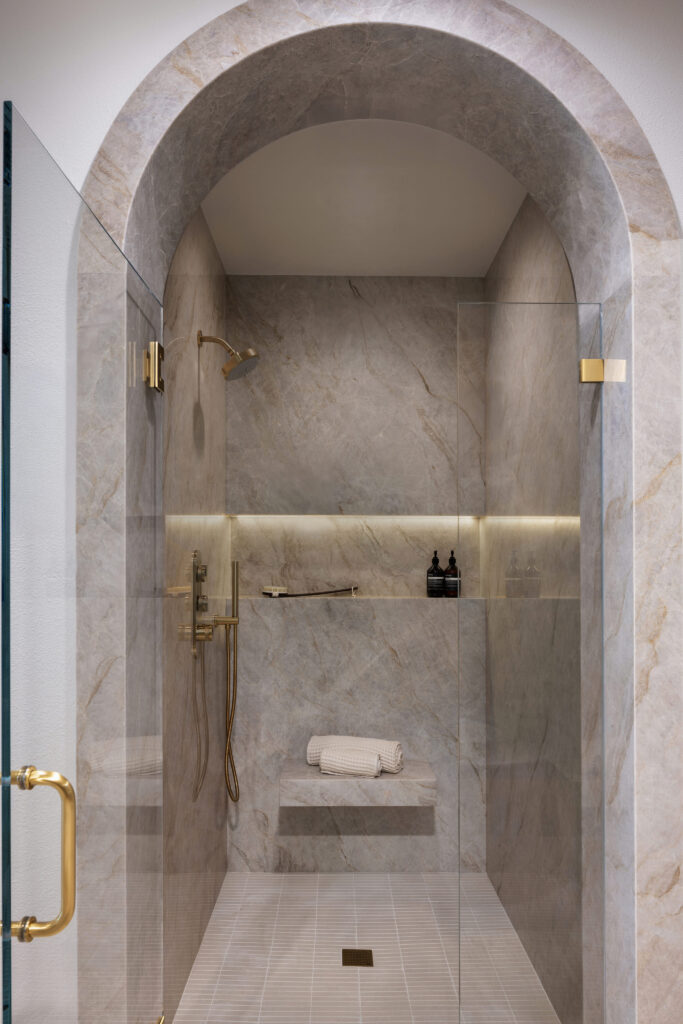
Timelessness in design has nothing to do with age and very little to do with price. It’s a quality that comes from proportion, restraint, and an absence of unnecessary announcement. The pieces and finishes that endure tend to be the ones that don’t demand attention, that recede when they should and hold their ground when it matters. Natural stone chosen for its depth and variation. Clean-lined cabinetry that works with whatever surrounds it. Lighting that illuminates a room rather than performing in it.
These choices are durable because they were made in relation to the space itself, grounded in material honesty and visual calm rather than the logic of a particular moment. A room built on this foundation can absorb change without losing its character.
How to Layer Trends Without Dating Your Home
The most practical way to engage with current design is through the movable pieces—textiles, art, accessories, soft furnishings. These are the elements that carry mood and moment without committing a space to a specific era. A linen sofa can be re-covered. A tiled backsplash cannot. This distinction shapes every layering decision in a thoughtfully designed home. Trend-forward choices belong in the places where change is possible, even welcome. The fixed elements, such as the architecture, the cabinetry, the stone, the flooring, deserve a longer view. When each layer is chosen with an awareness of its permanence, the result is a home that feels current and coherent at once, without the anxiety of wondering how it will age.
Jenna Grace Interiors—Designing Spaces to Be Well Lived and Loved
Jenna Grace Interiors is a full-service interior design studio based in Laguna Beach, California, creating refined, livable spaces that feel both elevated and deeply personal. Since 2008, we have partnered with clients through every stage of the design process—from initial concept to final installation—bringing the same calm intention and commitment to excellence to each project we take on.
Our work spans luxury residential remodels, custom home construction, and bespoke furnishing projects throughout Southern California and nationwide, always guided by a single principle: designing spaces to be well lived and loved.
Our Services
We offer full-service design across every stage and scale of a residential project, from the architecture of a custom home to the final layer of a styled interior. Each service is approached with the same attention to detail and the same commitment to creating spaces that feel both refined and genuinely livable.
- Custom Home Design — We craft one-of-a-kind coastal residences that celebrate light, views, and effortless luxury, tailoring every architectural and interior detail to the rhythms of how you truly live.
- Major Remodel Design — We reimagine existing homes from the inside out, elevating layouts, finishes, and flow to create a bespoke retreat that feels newly built yet deeply personal.
- Kitchen & Bath Renovation — We transform kitchens and baths into serene, highly functional sanctuaries with refined materials and thoughtfully integrated lighting that echo the warmth of Southern California.
- Furnishings & Styling — We curate sophisticated furnishings, art, and layered textiles to bring a polished narrative to life, styling each space so it feels both impeccably finished and effortlessly livable.
What ties it all together is our client-centered approach. Beautiful design should support the specific needs of your lifestyle and continue to feel relevant as life evolves. That is what we have been working toward for over fifteen years, and it remains the standard we hold every project to.
Great Design Starts with a Single Conversation
A well-designed home is the product of many things working together—proportion and restraint in the permanent elements, intention and personality in the layered ones, and a design process grounded in how you actually live. When those forces align, the result is a space that feels effortless, enduring, and unmistakably yours.
At Jenna Grace Interiors, that is exactly what we work toward on every project. From the first conversation to the final installation, we bring care, craft, and a deep commitment to creating homes that are as beautiful as they are livable. If you are ready to begin, we would love to hear from you.
FAQs
How do I know if a trend is worth incorporating into my home?
Ask yourself where it would live. Trends work beautifully in movable, replaceable elements — textiles, art, accessories, soft furnishings. They become a liability in fixed ones, like tile, cabinetry, or architectural detail. If a trend genuinely resonates with you and can be placed in a layer that allows for change, it earns its spot. If you are drawn to it simply because it is everywhere right now, it is worth waiting to see how you feel about it in six months.
What is the difference between interior design and interior decorating?
Interior design encompasses the full scope of a space (architecture, layout, flow, lighting, and material selection) often beginning before construction or renovation is complete. Decorating typically refers to the furnishing and styling layer applied to an existing space. Both matter, and the best outcomes usually involve thinking about them together. A beautifully decorated room built on poor bones will always feel like something is slightly off, even if you cannot immediately identify why.
How do I design a home that reflects my personality without it feeling overly personal to guests?
This is exactly where working with a design studio earns its value. Translating who you are into a space that feels cohesive, elevated, and welcoming to everyone in it is one of the more nuanced things great design does. It requires understanding your lifestyle, your aesthetic instincts, and the way you naturally inhabit a space, then making choices grounded in quality and proportion rather than personal signifiers.
How does Jenna Grace Interiors approach projects that involve both renovation and furnishings?
We treat them as a single, continuous process. The architectural decisions and the furnishing decisions are deeply connected—the finish of a floor informs the tone of a sofa, the scale of a room shapes the furniture that can live in it. Handling both allows us to maintain cohesion from the structural layer all the way through to the final styled detail.
How long does a full interior design project typically take?
Timelines vary considerably depending on scope. A furnishings and styling project might take a few months, while a major remodel or custom home build can span one to two years or more. Permitting, construction, and product lead times all factor in. The key is building a realistic timeline from the start and maintaining clear communication throughout.