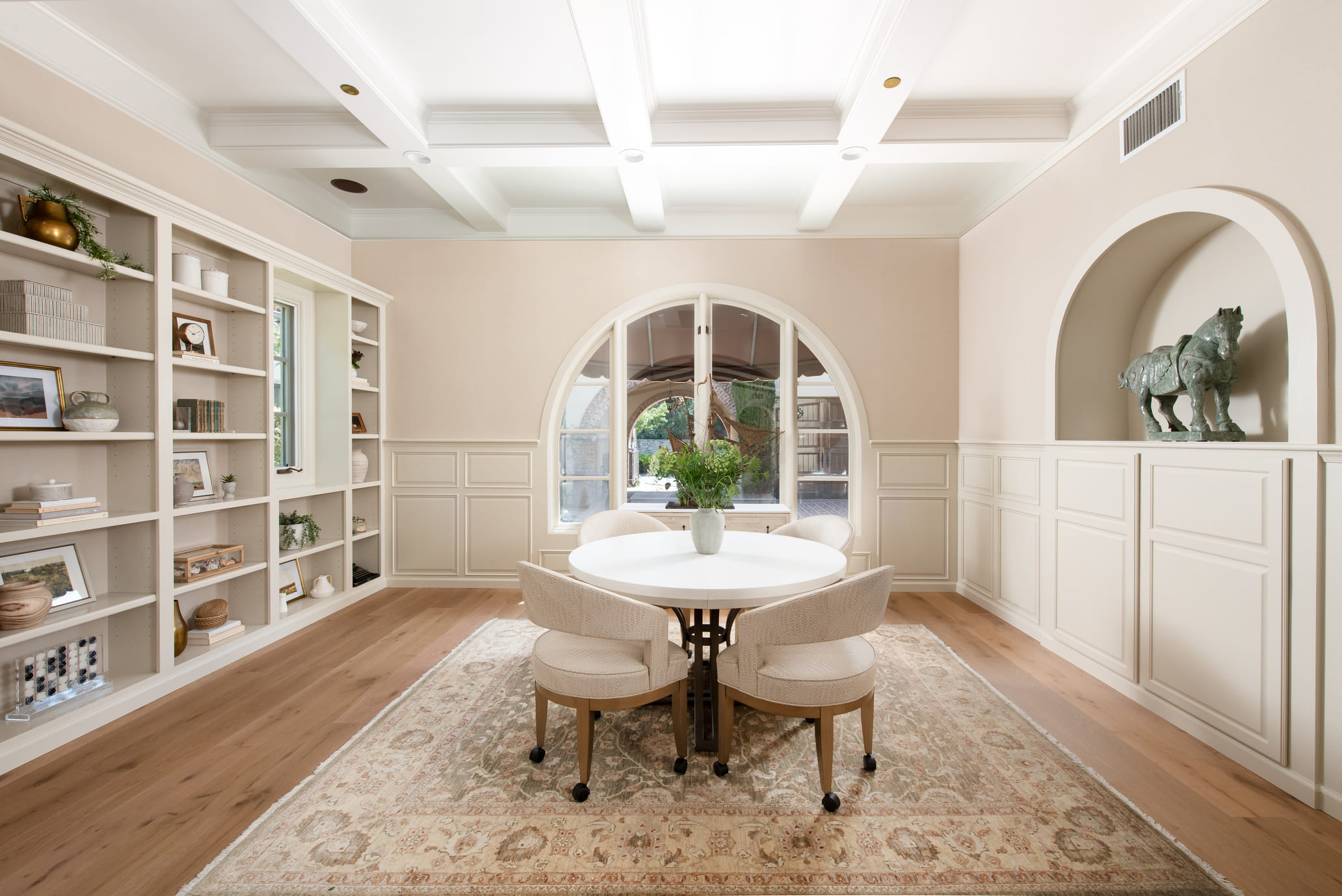
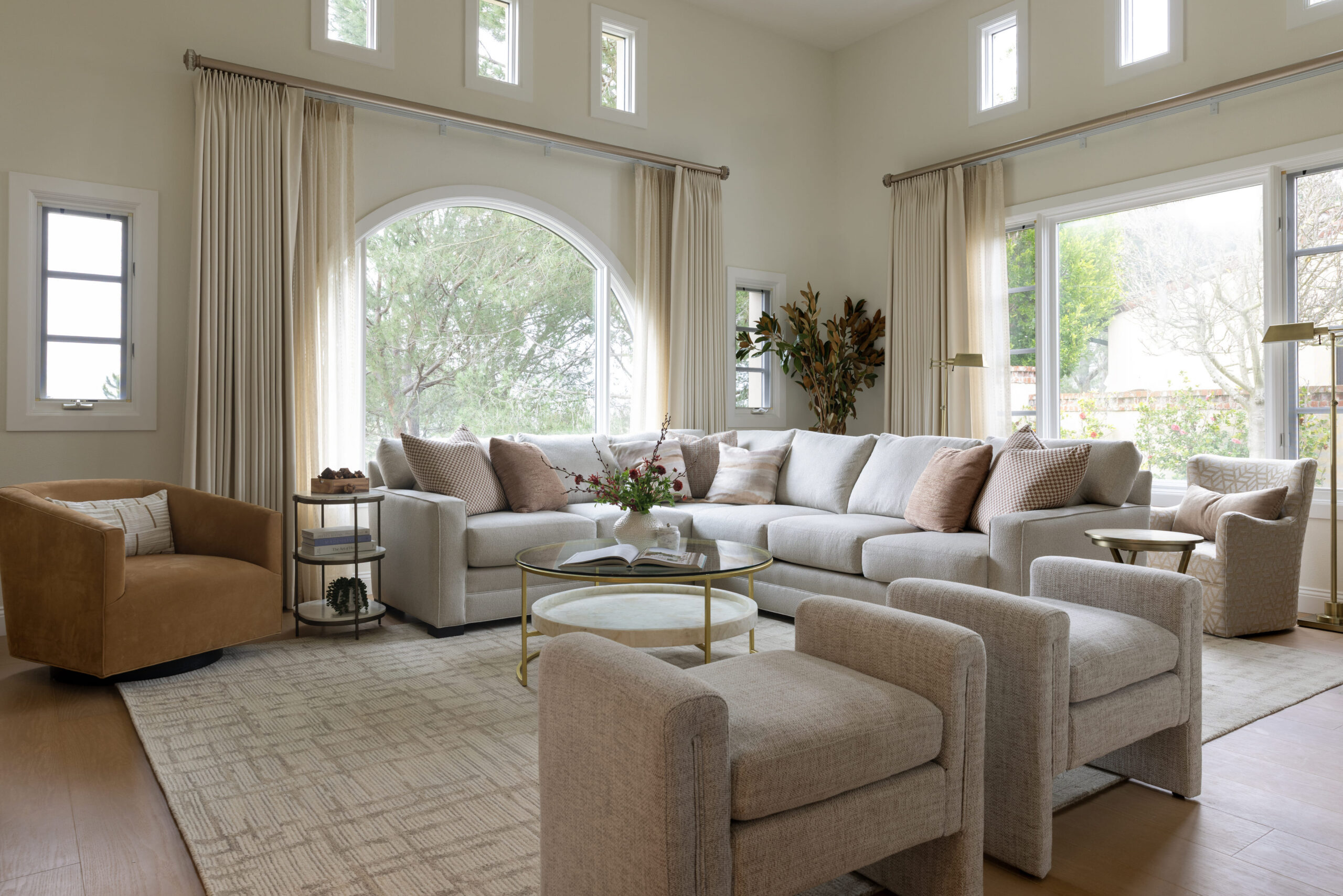
There’s a moment in every project when a client walks into their newly completed home and pauses. The light falls just right. The proportions feel instinctively correct. Everything seems to have found its place with an ease that feels almost effortless—as though the space always meant to be this way.
That sense of inevitability? It’s the result of meticulous intention.
Beautiful interiors don’t emerge from inspiration alone. They’re built on a foundation of precise planning, thoughtful measurement, and countless decisions made long before the first piece of furniture arrives. The homes that feel the most natural to live in are often the most carefully engineered, where every millimeter, every elevation, every custom detail has been considered with both artistry and exacting care.
At Jenna Grace Interiors, we craft refined coastal homes that honor how you truly live—spaces where beauty and function exist in quiet harmony. Our full-service approach guides you from initial vision through final installation, shaping custom residences, thoughtful remodels, and curated interiors that feel both timeless and deeply personal. Every project begins with listening, understanding the rhythms of your daily life, so we can design spaces that grow and evolve alongside you.
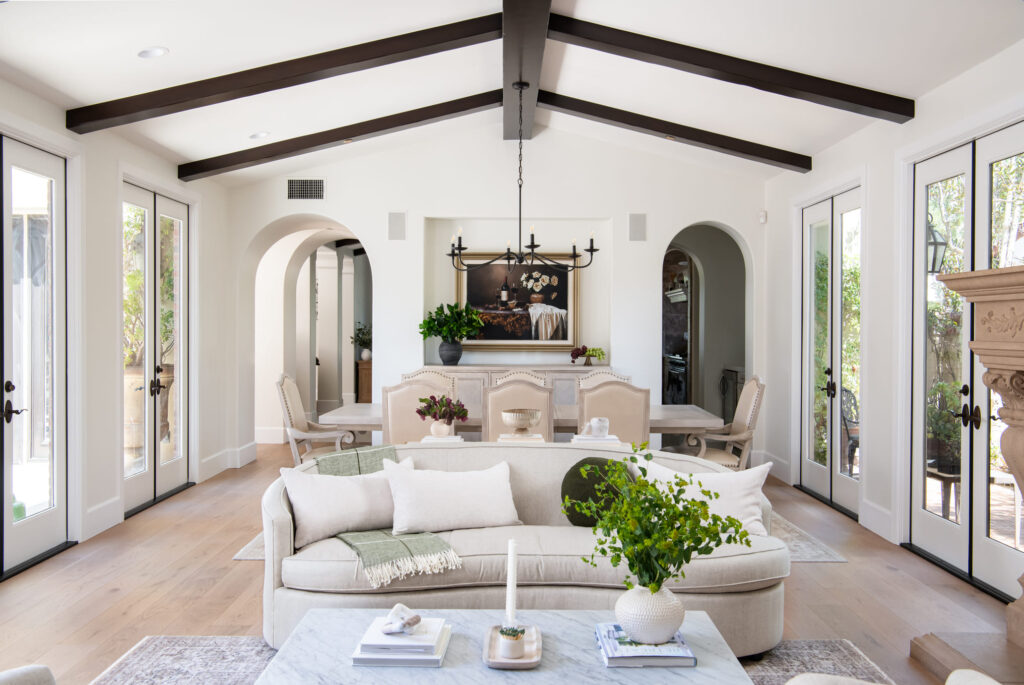
Defining the Purpose of Every Space
Every successful interior begins with a single, essential question: What will happen here? Before we consider finishes, furnishings, or even floor plans, we seek absolute clarity about how a space will be lived in. This understanding becomes the foundation upon which every subsequent decision rests. When a room’s purpose remains vague or assumed rather than articulated, the result is often a space that looks beautiful in photographs but feels uncertain in daily life.
Clarity of purpose transforms how we approach design. It allows us to create spaces that anticipate your needs and support the specific rhythms of your household.
Primary function vs. secondary function
A living room might exist primarily for quiet evenings with family, while also accommodating occasional gatherings. Understanding this hierarchy shapes everything from seating arrangements to lighting design.
Emotional tone
Each space carries an intended feeling, like calm and restorative in a primary suite, but energizing and social in a kitchen, focused and serene in a home office. We design to evoke and sustain these qualities.
Relationship to adjacent spaces
No room exists in isolation. How a kitchen flows into a dining area, how a mudroom buffers the transition from outdoors to living spaces—these connections define the coherence of your home.
Consider a kitchen designed to support both the efficiency of weekday mornings and the generosity of weekend hosting. The layout provides clear zones: a working perimeter where meal preparation flows uninterrupted, and a generous island that invites conversation and gathering. Storage is positioned to keep daily essentials within effortless reach while concealing visual clutter. Lighting layers shift from task-focused during cooking to warm and ambient when guests arrive. The result is a space that adapts gracefully to different moments, serving multiple needs with quiet competence.
Drawing the Vision: From Concept to Certainty
This is where design becomes tangible. Before we discuss fabrics, finishes, or the perfect shade of white, there’s a quieter discipline at work: measurement, mapping, and technical rigor. These form the invisible architecture that allows beauty to emerge with clarity and confidence. Precision at this stage creates the foundation for spaces that feel effortlessly right—where every element exists in harmonious relationship to the whole.
Measuring the Millimeters That Matter
True luxury lives in the details most people never consciously notice. It’s the way a cabinet door sits perfectly flush within its frame, the consistent reveal between drawers, the seamless alignment where two planes meet. When we say measurements are calculated down to the millimeter for custom cabinetry, we mean exactly that: every dimension is specified, verified, and executed with exacting care.
This level of precision shapes how a space feels to inhabit. Your eye registers harmony even when your mind doesn’t articulate why—the proportions simply feel correct, the surfaces align in ways that create visual calm. There’s a palpable difference between work that’s “close enough” and work that’s been calibrated with intention. Inset cabinetry with flush doors and drawers exemplifies this philosophy with clean planes, consistent gaps, an elevated presentation that reads as understated rather than decorated. The craftsmanship becomes part of the room’s quiet elegance.
Black and White Elevations
Elevations are detailed drawings that show walls as if you’re standing directly in front of them, revealing scale, proportion, and spatial relationships before a single material is ordered or built. They’re the technical drawings that translate vision into buildable reality, mapping where cabinetry ends, how windows align with surrounding elements, where lighting integrates into architecture.
These drawings serve as both guardrails and creative tools. They allow us to catch potential issues early—a window placement that would interrupt cabinet runs, a ceiling height that compromises proportion—and refine details until they’re right. This is where we ensure that what looks beautiful on paper will translate to a space that lives beautifully in three dimensions.
Renderings: Walking Through Before We Build
Renderings allow you to step inside your future home before construction begins. These are photorealistic visualizations that bridge imagination and reality, showing you how light will move through rooms, how sightlines connect spaces, how the scale of furnishings relates to architecture.
You can experience the view from your kitchen island, understand how the primary suite will feel at different times of day, see whether a layout truly supports how you move through your morning routine.
Beyond their visual appeal, renderings are powerful problem-solving tools. They help you make decisions with confidence—adjusting a layout before walls are framed, refining a color palette before paint is mixed, reconsidering a furniture arrangement while changes are still effortless. Seeing the space in this level of detail invites meaningful conversation about what works and what might be improved, ensuring that when construction begins, we’re building toward a shared and thoroughly considered vision.
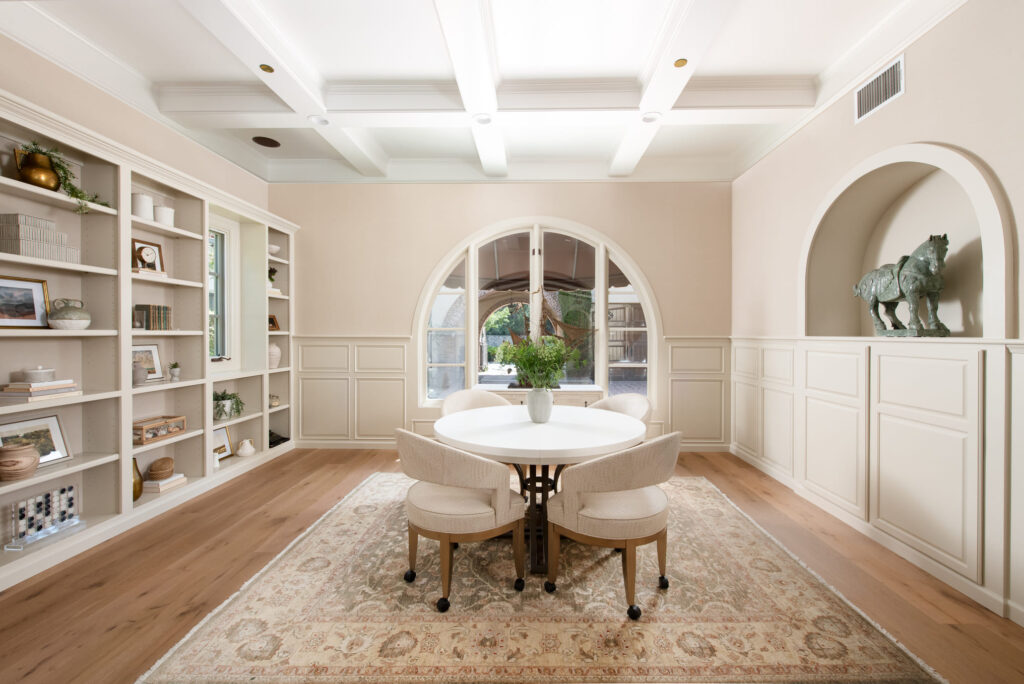
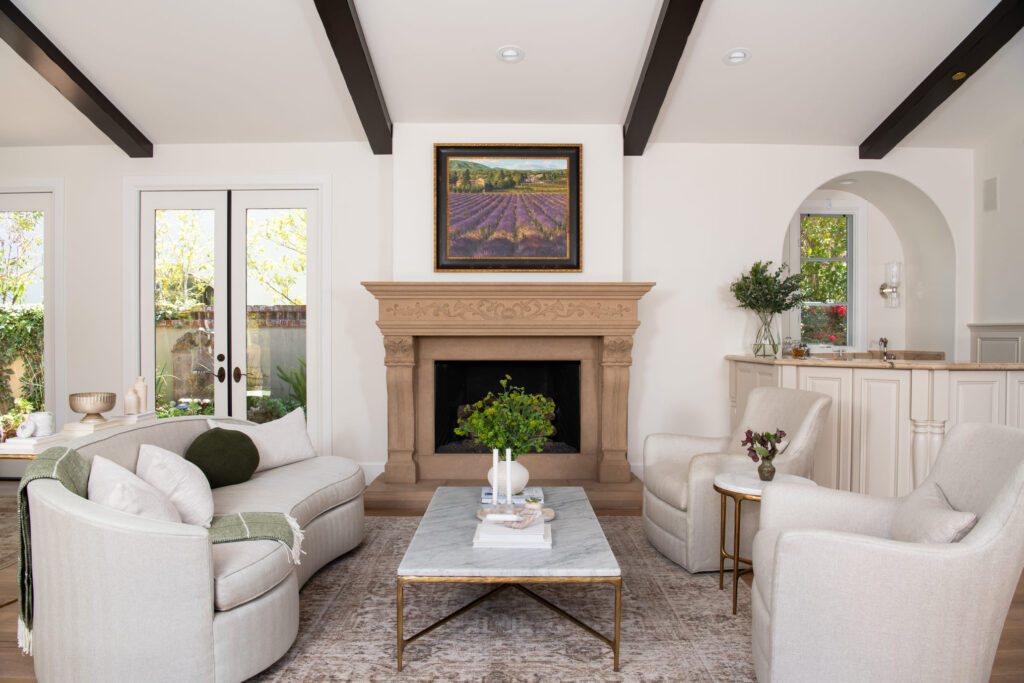
The Details: Where Exceptional Reveals Itself
There’s a particular quality to spaces that have been designed with rigorous attention to detail—a sense of cohesion and calm that’s difficult to quantify but unmistakable in person. Exceptional design lives in these moments: the way surfaces meet, the consistency of reveals, the precision of joinery. This is where intention becomes tangible.
Inset Cabinetry and the Art of the Flush Reveal
Inset cabinetry is a study in precision. Rather than doors and drawers that overlay the cabinet frame, inset construction places them flush within the frame itself. Each door becomes part of a continuous plane, sitting level with the surrounding woodwork, separated only by narrow, perfectly consistent reveals.
This approach demands extraordinary accuracy in both fabrication and installation:
- Tolerances measured in fractions of millimeters: Cabinet boxes must be built square and true, with no room for the small inconsistencies that other construction methods can accommodate or conceal.
- Doors sized and hung with exacting care: Each piece must fit precisely within its frame, maintaining uniform reveals on all sides—a discipline that requires master-level craftsmanship.
- Hardware thoughtfully integrated: Hinges are often concealed, pulls are positioned with mathematical consistency, and every functional element contributes to the overall visual refinement.
The visual result is clean, seamless, quietly sophisticated. Overlay cabinetry, by contrast, allows doors to sit atop the frame, creating a layered effect with more forgiveness in construction and installation. It’s a practical, widely used approach that serves many projects well. Inset work operates in a different register entirely, requiring meticulous planning and execution to achieve its characteristic precision. The difference is one of presence and permanence: inset cabinetry carries a timeless quality that elevates the entire space.
Partnering Through Every Detail: Our Full-Service Philosophy
At Jenna Grace Interiors, this level of detail represents the foundation of our full-service approach. From initial concept through final installation, we guide every element of the process as a bespoke collaboration—measuring what might be estimated, specifying what might be left to chance, pursuing precision in places where others might take shortcuts. It’s this cumulative attention to craft and alignment that allows us to create refined coastal homes that feel both timeless and deeply personal, spaces where exceptional quality reveals itself in how they’re lived in every day.
The Partnership
Our work is rooted in collaboration. As a full-service interior design studio, Jenna Grace Interiors partners with clients through every stage of the process, creating a sense of continuity that carries from concept to completion.
We guide each detail with care—working alongside architects and builders, developing comprehensive design plans, specifying materials, and curating every furnishing. This level of involvement allows the entire home to feel cohesive and considered, with each element contributing to a unified vision.
Our Services
We offer elevated, full-service design across every stage of residential transformation:
- Custom Home: One-of-a-kind coastal residences where every architectural and interior detail is tailored to how you truly live—celebrating light, views, and effortless luxury.
- Major Remodel Design: Reimagining existing homes from foundation to finish, elevating layouts, finishes, and flow to create bespoke retreats that feel entirely new yet deeply yours.
- Kitchen & Bath Renovation: Transforming the most essential spaces into serene, highly functional sanctuaries with exquisite details, refined materials, and thoughtful lighting that echoes Southern California sunshine.
- Furnishings & Styling: Curating sophisticated furnishings, art, and layered textiles to complete the narrative, styling each space so it feels both impeccably finished and effortlessly livable.
The Expertise
Since 2008, Jenna Grace Interiors has created award-winning residential spaces throughout Southern California and nationwide. Our work reflects a refined approach to coastal living, where light, proportion, and materiality come together in a way that feels both timeless and personal.
Each space is shaped through a disciplined and highly detailed process. Black and white elevations establish structure and balance. Renderings provide clarity and alignment. Custom cabinetry is developed with millimeter precision, allowing inset doors and drawers to sit seamlessly within their frames. Every material is selected for its longevity and quiet elegance.
Our work embraces natural light, open views, and a sense of ease that carries throughout your home.
Designed to Feel Right From the First Moment
Exceptional interiors are shaped through clarity, precision, and a deep understanding of how a home is truly lived in. From defining the purpose of each space to refining every measurement, elevation, and custom detail, each step builds toward a result that feels effortless and complete. The quiet alignment of proportion, material, and craftsmanship creates spaces that support daily rhythms while offering a lasting sense of ease.
At Jenna Grace Interiors, this process unfolds through a thoughtful, full-service approach—guiding every detail with care and intention. If you’re ready to create a home that reflects how you live and what you value, we invite you to connect with us today.
FAQs
Why do some interiors feel effortlessly “right” while others don’t?
Spaces that feel instinctively right are grounded in proportion, alignment, and clarity of purpose. Every element relates to the next in a way that feels cohesive, even if you can’t immediately explain why. Circulation flows naturally, furniture fits the scale of the room, and details are resolved with precision. That sense of ease comes from careful planning behind the scenes, where decisions are made with both function and visual harmony in mind.
How early should I involve an interior designer in my project?
The earlier, the better. Bringing a designer in at the architectural stage allows key decisions—like layouts, window placement, and built-ins—to be thoughtfully integrated from the start. This avoids revisions later and ensures the home feels cohesive rather than pieced together. Early involvement also allows for better alignment between design intent and construction, creating a smoother process overall and a more refined final result
What does “full-service interior design” actually include?
Full-service design covers every phase of a project, from initial concept through final installation. It typically includes space planning, detailed drawings, finish selections, custom cabinetry design, sourcing furnishings, and overseeing implementation. The goal is to create continuity across all elements, so the home feels complete and intentional. It also means having a single point of guidance, allowing decisions to be made with clarity and confidence throughout the process.
How does Jenna Grace Interiors approach the beginning of a project?
We begin with a detailed discovery process centered on understanding how clients live. This includes daily routines, preferences, and long-term needs. The goal is to create a clear foundation before design decisions begin. This thoughtful approach allows each project to feel personal and intentional, with spaces that naturally support the way clients move, gather, and relax within their home
How involved is Jenna Grace Interiors throughout the project?
We are closely involved from concept through installation. We coordinate with architects, builders, and artisans, develop detailed plans, and oversee the execution of each design element. This level of involvement ensures continuity and alignment throughout the process, allowing the final result to reflect the original vision with clarity and precision.