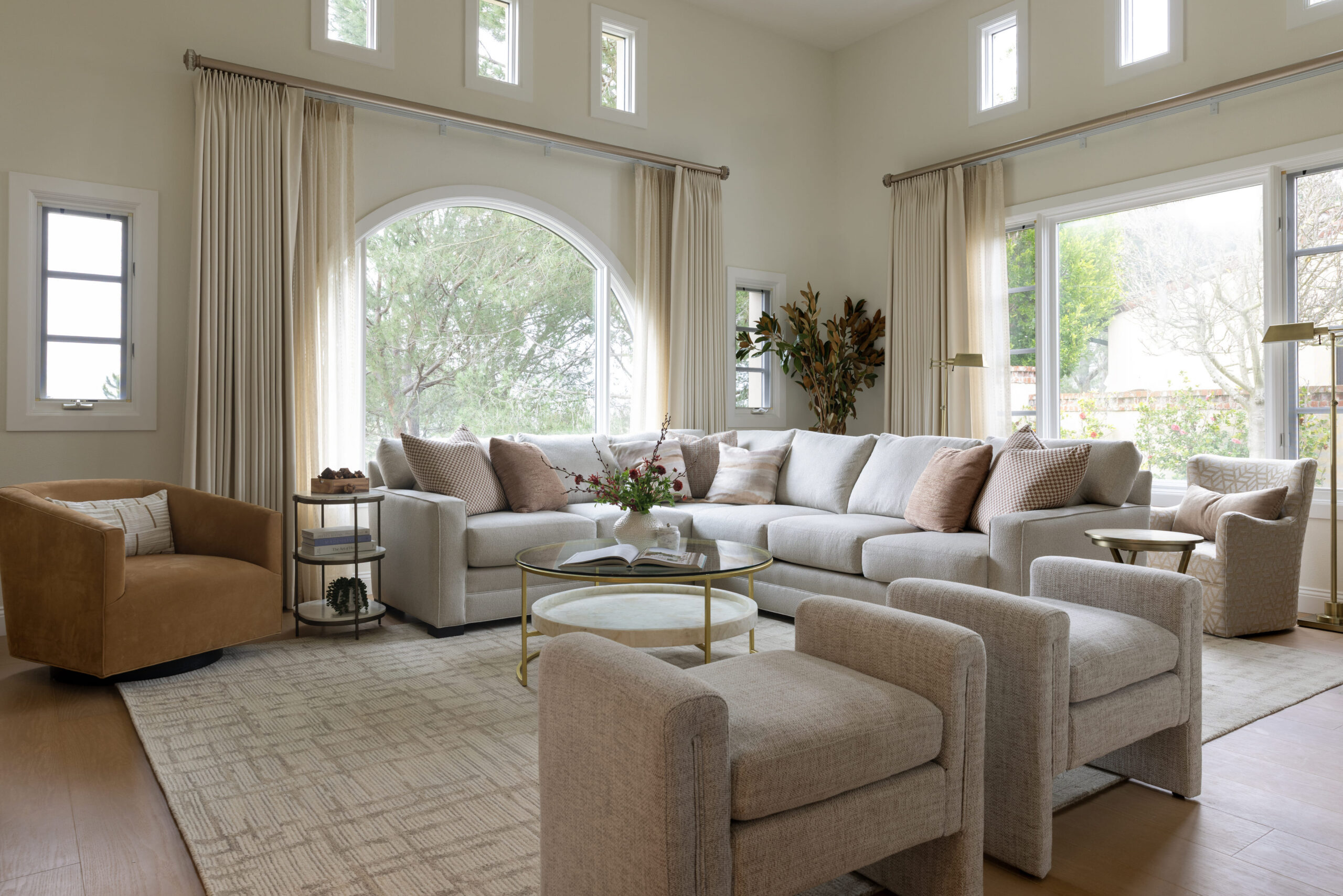
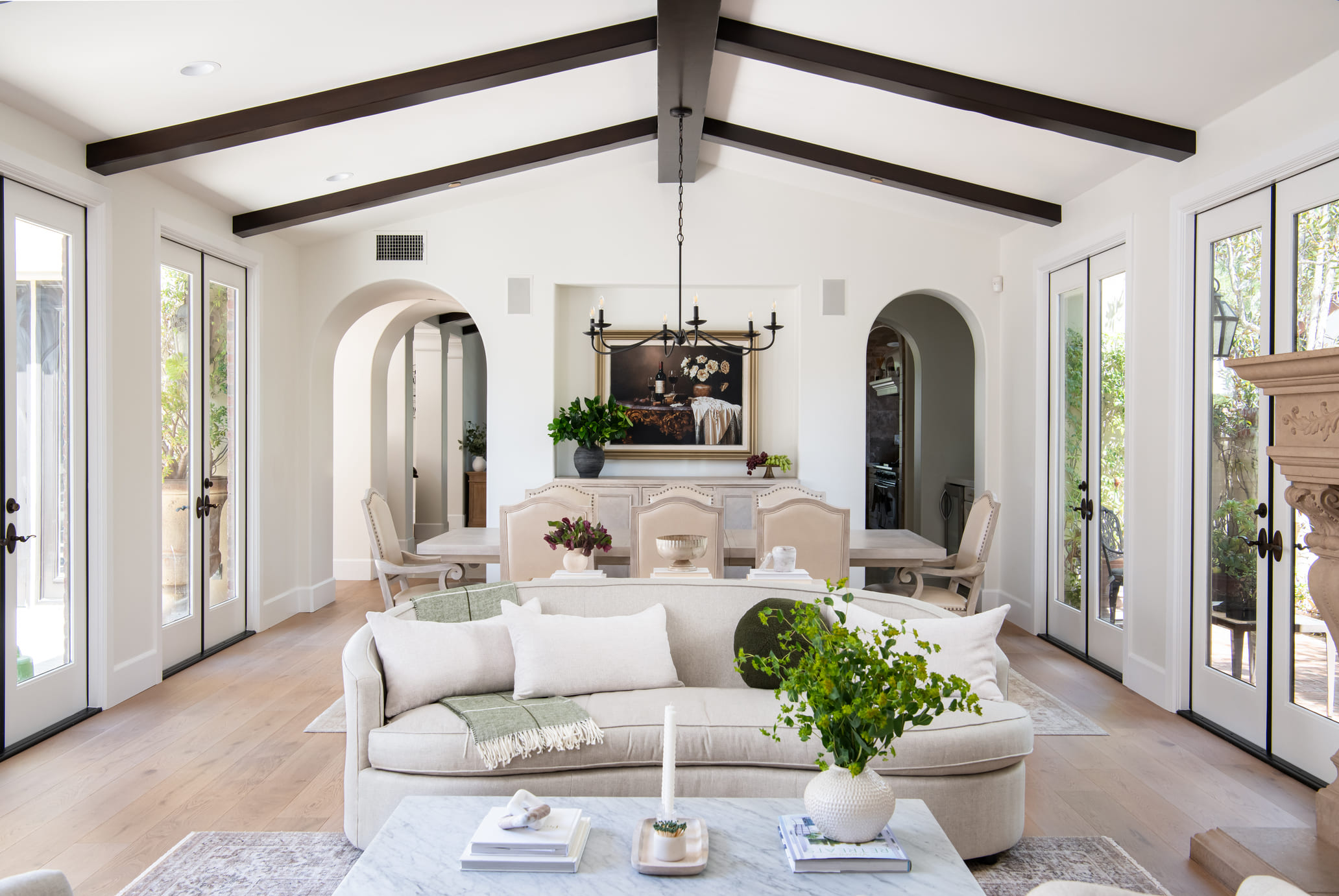
There’s a common misconception that thoughtful interior design is reserved for those seeking something extra, decorative, beyond what’s truly necessary. Yet the homes that genuinely support daily life are designed with intention: kitchens where meal prep doesn’t require endless searching through cabinets, primary suites that help you start the day calm rather than frazzled, living spaces where natural light reaches the right places at the right times.
Interior design, when approached with care and expertise, becomes something far more essential: an elevated quality of life. It’s the difference between a house that merely contains your belongings and a home that actively supports your wellbeing, productivity, and peace.
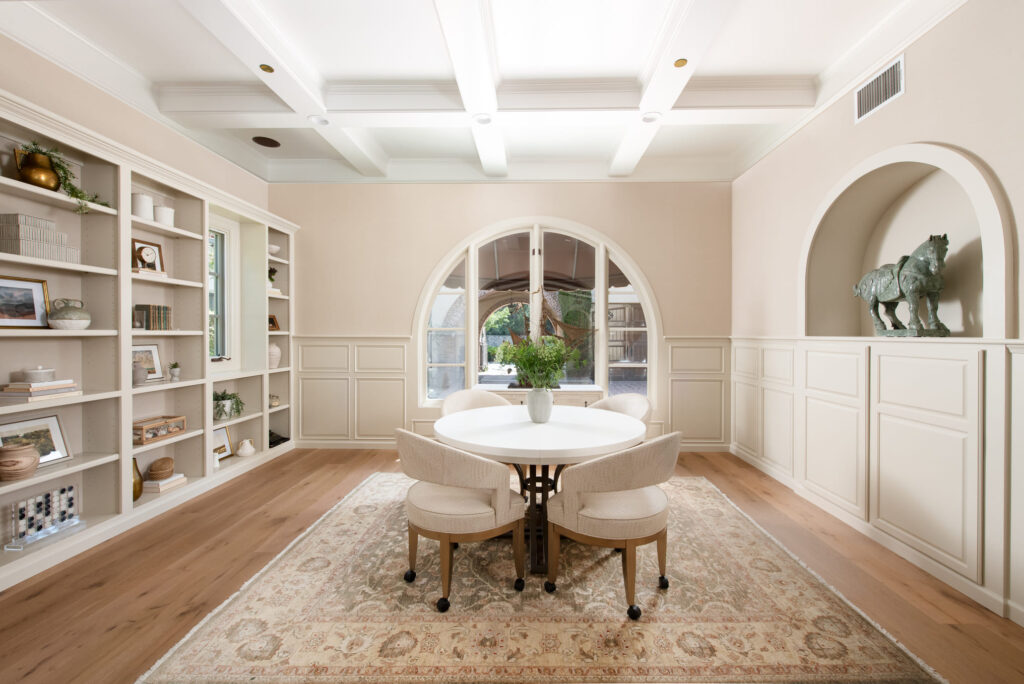
How Good Design Makes Life Easier
A well-designed home works quietly in the background, reducing the small frictions that accumulate throughout the day. Things are where you expect them. Movement between rooms feels natural rather than awkward. Storage systems make sense for how you actually use them. These moments compound, creating a sense of flow and ease that genuinely affects how you feel in your space.
Thoughtful design creates what we might call subtle luxuries, like light that shifts naturally throughout the day, reaching the spaces where you need it most. Storage that holds what you need while maintaining visual calm. Materials chosen for how they age and how they feel in everyday use. These details work beneath the surface, shaping your experience without demanding attention.
- Natural light that shifts with the day: Thoughtful window placement and room orientation work with the sun’s movement, bringing brightness where and when it serves you.
- Materials that feel good to the touch: Surfaces and finishes chosen for their tactile quality and how they respond to use over time.
- Layouts that support how you actually move: Traffic patterns and room relationships designed around your household’s real rhythms and needs.
- Spaces that invite gathering or quiet, depending on need: Rooms calibrated for their purpose—some encouraging connection, others offering genuine retreat.
This is what interior design offers when it’s done with care: a home that actively supports your life rather than requiring constant adjustment.
The Challenges of Designing Without Training
There’s an understandable appeal to designing your own home. You know how you want to live, you’ve collected images you love, and the process seems straightforward enough: choose what looks good and put it together. Yet what appears simple from the outside involves layers of technical knowledge, spatial understanding, and decision-making frameworks that take years to develop.
Without this foundation, even well-intentioned efforts often result in spaces that look acceptable but somehow miss the mark, and you end up with rooms that feel disjointed, investments that don’t deliver the expected satisfaction, and a nagging sense that something’s off even if you can’t quite identify what.
The Weight of Endless Decisions
Design projects involve thousands of choices, from foundational decisions about layout and materials to granular selections of hardware finishes and lighting temperatures. Without a clear framework for making these decisions, the process quickly becomes overwhelming. You find yourself second-guessing choices, revisiting decisions you thought were settled, paralyzed by options that all seem equally valid or equally risky.
This decision fatigue tends to slow progress and erodes confidence, often leading to choices made out of exhaustion rather than conviction. The result is inconsistency: rooms that don’t relate to each other, a kitchen that feels disconnected from the adjacent living area, finishes that seemed perfect in isolation but clash when installed side by side.
Spaces That Look Fine But Feel Wrong
Perhaps the most common outcome of designing without expertise is a home that photographs well enough but doesn’t quite work in person. The furniture is attractive but scaled wrong for the room—pieces that dominate the space or float awkwardly without proper anchoring. Color palettes that seemed cohesive on a mood board read as chaotic when applied across walls, textiles, and finishes. Materials chosen independently can compete for attention rather than working in harmony. These aren’t problems with taste, but rather failures of technical understanding about proportion, visual weight, and how elements interact within a three-dimensional space.
The Overlooked Technical Layers
There are layers of design that sit just beneath the surface, shaping how a space functions and feels. These elements often go unnoticed until they fall short. Without a trained eye, decisions that seem straightforward can lead to environments that feel slightly off, even when everything appears visually complete.
- Lighting that lacks depth: Overhead fixtures alone rarely carry a space. Without thoughtful layering—task lighting for function, ambient lighting for balance, and accent lighting for warmth—rooms can feel flat during the day and overly harsh as the evening sets in.
- Layouts that interrupt movement: A space may look well arranged, yet still feel difficult to move through. When traffic patterns aren’t carefully considered, pathways become tight, transitions feel abrupt, and everyday movement requires more effort than it should.
- Function without flow: In kitchens and living areas especially, small miscalculations add up. Work triangles that stretch too far, furniture that blocks natural circulation, or spacing that feels visually balanced but functionally awkward all create subtle, ongoing friction.
These technical layers are rarely the first thing you notice, yet they are often what determine whether a home feels effortless or quietly challenging to live in. Thoughtful design brings these elements into alignment, creating spaces that support you intuitively from morning through evening.
Rework and Long-Term Dissatisfaction
The most expensive consequence of designing without expertise often reveals itself after installation. A layout that seemed logical on paper proves awkward in practice. Cabinetry dimensions that were estimated rather than precisely calculated leave gaps or create cramped clearances. Materials chosen for appearance rather than durability show wear quickly or require maintenance you didn’t anticipate. Each of these issues requires either acceptance and ongoing frustration, or costly rework to correct.
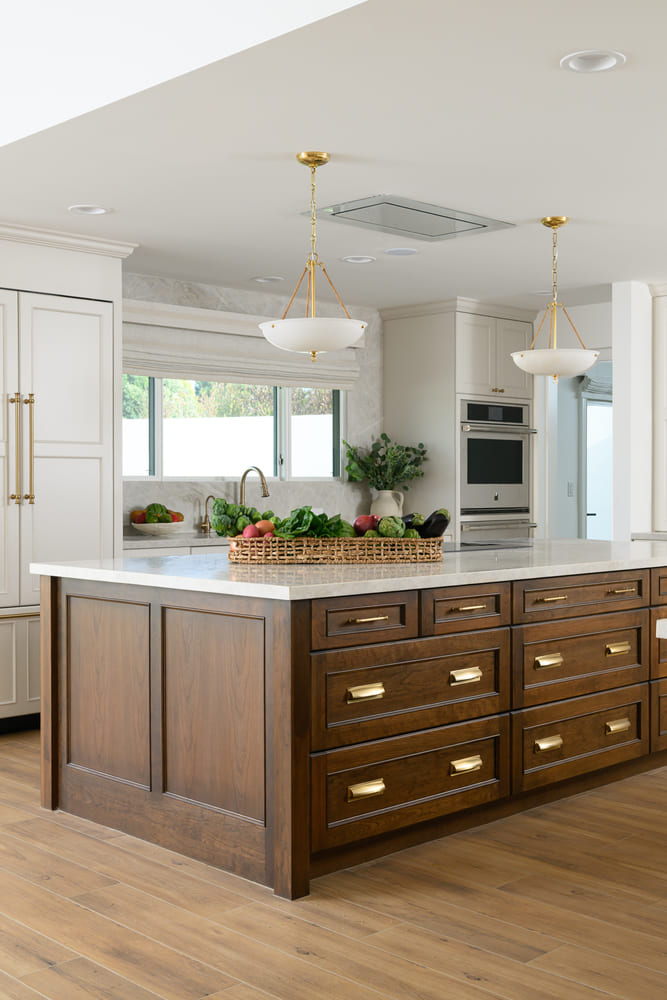
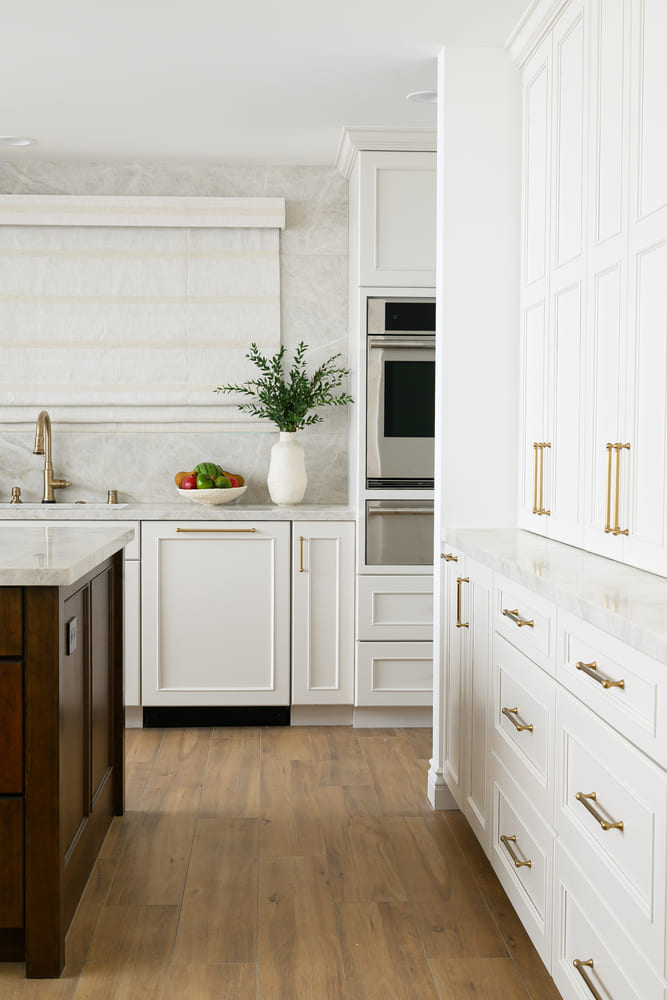
The Trained Eye: What a Design Studio Brings to Your Home
Great interior design looks effortless from the outside. What it conceals is the depth of knowledge required to make it that way, with layered expertise that spans spatial logic, material science, color theory, and construction coordination. Understanding what a design studio actually brings to a project changes how you think about the value of the collaboration.
Spatial Awareness and Flow
One of the first things a trained designer reads in a room is its spatial logic—how the proportions relate to one another, whether the scale of the space is being honored or undermined, and how a person moves through it in the course of a day. Flow is a technical consideration as much as an aesthetic one. A room can be beautifully furnished and still feel wrong if the circulation hasn’t been thought through, if furniture placement creates friction, if sightlines are blocked, or if the layout works against the way the space is actually used. Designers are trained to see these dynamics before anything goes in, and to resolve them at the planning stage rather than after installation.
Material and Texture Mastery
Materials are not chosen in isolation. Every surface in a room interacts with light, with adjacent finishes, and with the wear of daily life, and a designer is trained to anticipate all three. The way a stone reads in morning light versus evening, the way a fabric holds up over years of use, the way a matte finish absorbs light where a polished one reflects it; these are all considerations that determine whether a room feels cohesive six months in or six years in. Layering texture is equally deliberate—depth and warmth in a space come from the relationship between surfaces, and that relationship requires a practiced eye to get right.
Color Theory and Light
Color is among the most misunderstood elements in residential design, in large part because it is so rarely experienced in isolation. Every color has undertones that shift depending on what surrounds it, and those undertones respond differently to natural and artificial light throughout the day. A designer understands how to work with those variables rather than against them, how to build a palette that holds its integrity across different light conditions, how to use color to shape the emotional experience of a room, and how to balance warmth and cool in a way that feels intentional. Lighting strategy, both natural and artificial, is part of that same conversation.
Technical Knowledge
The visible work of interior design rests on a considerable amount of invisible coordination. Designers manage the relationship between architectural decisions and interior ones, ensuring that construction choices align with the design vision from the earliest stages. They navigate sourcing and lead times, maintain relationships with trusted trade partners, and keep a project moving through the many phases that separate a concept from a completed room. This technical layer is what allows the creative work to land — without it, even a beautiful design vision can unravel in execution.
How We Design at Jenna Grace Interiors
All of this expertise means very little without the right foundation, and for us, that foundation is always the same: listening. Before a single material is selected or a layout considered, we take time to understand how you live, move, and gather—what your home needs to feel like at the end of the day, and how it should grow with you over time. That understanding shapes every decision that follows.
Jenna Grace Interiors is an award-winning, full-service interior design studio based in Laguna Beach, California, and since 2008 we have been bringing that same calm, intentional approach to luxury residential projects throughout Southern California and nationwide. Our work blends classic sensibility with a considered modern point of view.
Our services cover the full arc of residential design. We craft one-of-a-kind coastal residences tailored to the rhythms of how you truly live. We reimagine existing homes from the inside out, elevating layout, finish, and flow into something that feels newly built yet deeply personal. We transform kitchens and baths into serene, highly functional sanctuaries with refined materials and thoughtfully integrated lighting. And we curate sophisticated furnishings, art, and layered textiles that bring a polished, cohesive narrative to life—styled so each space feels both impeccably finished and effortlessly livable.
Every project we take on reflects our guiding principle: designing spaces to be well lived and loved. That is what the training is ultimately in service of and it is what we bring to every home we work on.
Elevating Your Everyday Experience
Interior design shapes far more than appearance. It influences how your home supports you, how spaces flow, and how each detail contributes to a sense of ease. From technical precision to material selection, every layer works together to create an environment that feels intuitive, balanced, and enduring.
When each decision is guided with clarity and intention, the result is a home that feels both refined and deeply personal. If this approach resonates, we invite you to connect with our studio to begin the process of creating a home that truly supports the way you live.
FAQs
Is hiring an interior designer really worth it for my home?
A well-designed home supports your daily life in ways that go beyond aesthetics. It reduces decision fatigue, improves how you move through spaces, and ensures every element works together cohesively. Without guidance, it’s easy to make costly missteps or end up with a space that feels unfinished. A designer brings clarity, intention, and expertise, helping you invest in choices that feel aligned, functional, and lasting rather than pieced together over time.
At what point in a project should I bring in an interior designer?
The earlier, the better. Bringing a designer in during the initial planning or architectural phase allows for more cohesive decisions around layout, lighting, and materials. Early involvement helps prevent rework and ensures that foundational elements align with how you want to live. Even in smaller projects, having guidance from the beginning creates a smoother process and a more thoughtful result, rather than trying to refine decisions after they’ve already been set.
Why does lighting make such a big difference in how a home feels?
Lighting shapes how a space is experienced throughout the day. It affects mood, functionality, and how materials and colors are perceived. A well-designed lighting plan layers different sources—ambient, task, and accent—so the space feels balanced and adaptable. Without that layering, rooms can feel flat or overly harsh. Thoughtful lighting allows a home to transition seamlessly from day to evening, supporting both activity and rest in a natural, comfortable way.
How does an interior designer help with functionality, not just aesthetics?
Designers consider how you live on a daily basis—how you move, gather, cook, and relax—and shape the space around those patterns. This includes optimizing layouts, improving flow, and ensuring that every element serves a purpose. Storage, circulation, and spatial relationships are all carefully planned. The result is a home that feels intuitive and supportive, where things are exactly where they should be and daily routines feel smoother without requiring extra effort.
Does Jenna Grace Interiors work with clients outside of Southern California?
Yes, we work with clients both locally and nationwide. While we are based in Laguna Beach, our process is designed to support projects in a variety of locations. We maintain close communication and a structured approach that allows us to guide each phase with clarity, regardless of distance. The goal is always the same: to create a home that feels cohesive, intentional, and aligned with how you live.
What types of projects does Jenna Grace Interiors typically take on?
We focus on full-service residential design, including custom homes, major remodels, kitchen and bath renovations, and furnishing projects. Each project is approached as a complete experience, where every detail is thoughtfully considered. Whether building from the ground up or reimagining an existing space, we aim to create homes that feel elevated yet livable, with a strong sense of clarity, proportion, and lasting quality.